
How to Alter a Recipe
You might notice two tendencies on my blog: one is using some basic, fail-proof recipes to create new ones and the second – trying new recipes, tweaking them, changing ingredients, flavors, spices. I love a challenge and sometimes I just go to the kitchen and say to myself that old recipes are boring, I need something new, I need something interesting, I need a challenge – and that is when I go online, find a dessert I like and 10 recipes for it then I compare their sugar content, fat content, the balance between dry and liquid ingredients and settle for a mix of all those recipes. If you are like me and love to just wonder around and read recipes then you know that most of them are set to fail from the start. I strongly believe that baking is not that scientific as some people claim, but it’s not as straight forward as savory cooking either and it does involve a bit of chemistry.
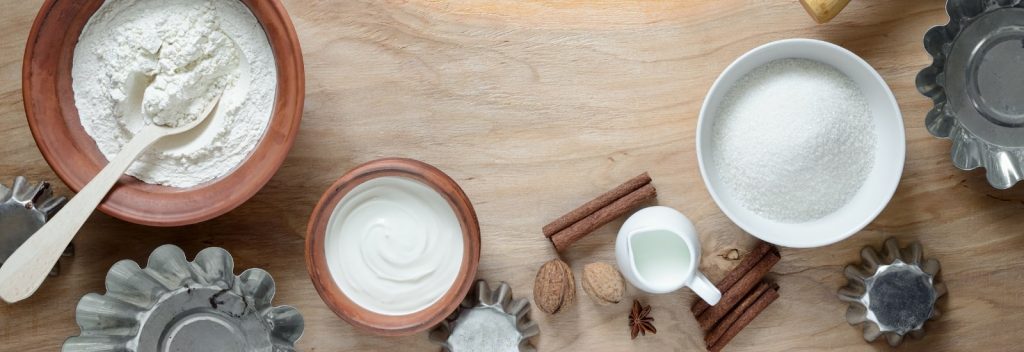
A baking recipe needs a balance in order to yield a great result and some recipes found online are set to never succeed considering that sometimes they have too much liquid or other times too much flour or sugar. I can usually tell just by reading the recipe if it’s going to work or not which is why I tend to create my own recipe for a dessert rather than use someone else’s. Plus, it is crucial where you get your recipes from – I tend to trust blogs and professionals more and avoid sites that receive recipes from their readers simply because they are rarely tested or who tested is not a professional and might not have ended up with the result it was supposed to, despite the good review.
But I also have a bunch of recipes that I always go back to, especially when my baking inspiration is on vacation and I have to bake something quick without wondering if it’s going to work or not. This usually happens for cake orders when the last thing I want is waste ingredients and time in case something goes wrong.
The do’s and don’ts of altering recipes in my opinion are as follow. Learn how to alter a recipe in these simple steps:
- Start small – turning a cake recipe into a cookie recipe is not going to happen, not for a novice in the kitchen anyway. Just start with a recipe you’ve made countless times before and you it’s fail-proof. Just before altering the recipe, right down what you plan to do, the new ratio of ingredients and any other changes you plan to make because if it turns out great you want to save the recipe and not do it again from memory.
- Start with flavors rather than messing with important ingredients, such as sugar, flour or fat. It depends on recipe though.. For cookies for instance, fat is very important if you want a crumbly, tender cookie, but for cakes, the dry-wet ingredients ratio is important. Disturbing this balance might turn into a fail cake so start with ingredients that don’t affect the structure. Nuts, fruits, flavors are a good start for altering recipes.
- Make one change at a time – if you’re looking to design a good recipe, do it step by step, changing just one ingredient at a time. If you do too many changes, it will be hard to track down the one that worked and the one that didn’t. And remember to always right down what you did.
- If you want to reduce a certain ingredient, start with only 10 or 15% and once you are happy with the result proceed to cutting down more and more. Be more careful with structural ingredients, such as sugar or fat. They play an important role in recipes like cookies and changing them might alter the final texture of the cookie.\
- If you want to replace a certain ingredient, make sure that the substitute has the same consistency as the original ingredient. For instance, flour can be partially replaced with cornstarch or cocoa powder, but replacing it completely with any of them will yield a different result. Milk can be partially or completely replaced with water or almond/soy milk, but coconut milk is thicker than whole milk so additional water may be needed to thin it down. Buttermilk can be replaced with yogurt, but not with fresh cream because it has a higher fat content and it’s thicker. Butter can be replaced with vegetable fat or lard as long as they have the same fat content.
- Be careful when replacing butter for oil – they have different consistencies and a different fat content. Plus, oil is liquid and asks for more dry ingredients, while butter doesn’t. The moment you add oil instead of butter, you might have to change the amount of flour too. Also, oil interact differently with ingredients like sugar or eggs.
- If you’re trying to replace sugar with sweeteners, read carefully the instructions of the sweetener because some of them are much sweeter than sugar and the quantity used might need to be altered.
- Replacing flours only works if you use similar substitutes in terms of consistency and texture. In sponge cakes, you can replace part of the flour with cornstarch or corn flour in order to obtain a fluffier, lighter cake. In other recipes, cocoa powder can be used as substitute. It gets more complicated when you want to replace wheat flour with gluten-free substitutes. Gluten has a huge role at bringing the dough or batter together, so once the gluten is removed, the dough will have a different texture and will bake differently too. In addition to this, each flour has its own properties and characteristics so make sure to study each of them and know them well. For instance, some gluten-free flours absorbs more liquid than wheat flour does and that means you will need to adjust the amount of wet ingredients in the recipe. And that is just one example to start with!
Want to bake like a pro? Learn professional layered cakes step by step with our online courses and ebooks – from Red Velvet to Caramel Carrot Cake. Browse the courses →


