Which Chocolate to Use in Desserts – A Pastry Chef’s Guide
When it comes to chocolate, there is a lot of information and a huge variety of products. That’s why one question I hear constantly is “which chocolate should I use in desserts?” – or “which brand do you recommend?” and “what’s the best chocolate?”. My answer is simple at first, but it needs a few explanations.
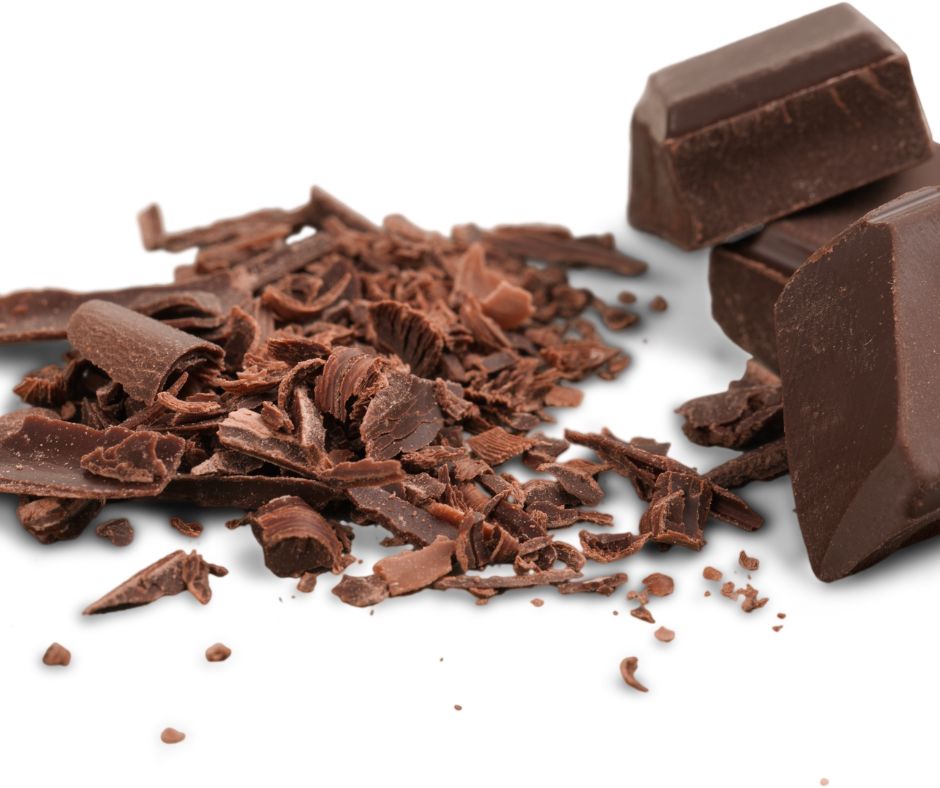
1. Always use real chocolate in your recipes
For creams, sponges and anything that goes inside a dessert, always use real chocolate – meaning chocolate that contains cocoa butter. Compound (coating) chocolate should only be used for some decorations, on the outside, never in the recipe itself.
What’s the difference? In compound chocolate, the cocoa butter is replaced with other fats – usually for cost reasons, since fats such as palm oil are cheaper than cocoa butter. That’s why compound chocolate doesn’t need tempering and can be used for decorations straight after melting. Real chocolate is harder to work with in this respect: it needs tempering for decorations, which takes more time and knowledge. But inside cakes and desserts, real chocolate gives you the flavour and texture you want, and the result is far superior.
2. Use real chocolate you like and can afford
We’d all love to use the most expensive premium brand, but the budget doesn’t always allow it – and that’s no reason to stop baking. Look for a more affordable brand that is still real chocolate. What I would avoid is supermarket eating chocolate: it is usually sweeter and more aromatic, designed to taste good on its own. Pastry chocolate (couverture) tends to be more neutral in sweetness, with a purer chocolate taste that lets you build the flavour of your dessert around it. There is also single-origin chocolate, from a specific region and climate, with flavour notes that give a dessert real personality.

3. Use the right chocolate for the job
Beyond cocoa percentage, taste, colour and aroma, chocolate has a specific melting texture called fluidity, usually shown on the bag as a number of drops. Fluidity often dictates what the chocolate is best used for, and many producers include a chart on the bag showing the applications it performs best in. In short, read the bag – it contains valuable information, from flavour notes to working and tempering temperatures.
Chocolate brands I have used
Here are some brands I’ve worked with over the years, with my personal notes. Availability and prices vary from country to country.
- Callebaut – probably the best-known brand. Mid-range price, good quality and a huge range, from two white chocolates to lime- or orange-flavoured chocolate. I’ve used it for years; their 54.5% is what I call an “all-purpose” chocolate – good for most applications, not too intense, right on the border between dark and milk chocolate. Personally, I find their white chocolate tastes a little too much of milk powder, but that’s purely a matter of taste.
- Valrhona – a luxury brand, very high quality, with an enormous range. Besides the classics, I have to mention Dulcey, an absolutely incredible caramelised white chocolate, and their naturally flavoured yuzu, strawberry and raspberry chocolates. The big drawback is the price. It’s a chocolate I buy to eat on its own – a real treat – and one I recommend if your budget allows. Their distinctive callet shapes are often used as decorations, too.
- Cacao Barry – high quality, priced between Callebaut and Valrhona, with a wide range. Their caramel chocolate is delicious, and their white chocolate is very tasty – but watch the fluidity!
- Veliche – a brand I’ve used successfully, especially their white chocolate, which I prefer to Callebaut’s, at a slightly lower price.
- Icam – slightly pricier, but very good. Their white chocolate is excellent when you need a higher cocoa butter content.
- Lubeca – the most affordable real chocolate I’ve tested. It’s fine, especially when you’re starting out and many of your bakes are experiments – you don’t want to throw away 500g of Valrhona because a test brownie didn’t work. Let’s be honest: when you’re learning, you will waste some ingredients until you master the techniques and gain confidence.
My advice
These are just some of the brands I’ve worked with. In my opinion, as long as it’s real chocolate, any brand is fine. What matters is knowing the difference, knowing what you’re buying and knowing how to use it so you don’t waste increasingly precious ingredients. Also, stick as closely as possible to the cocoa percentage in the recipe: each percentage comes with a different amount of cocoa butter, cocoa solids and sugar, and all of them affect the result.
In my kitchen you’ll usually find several brands at once, depending on my preferences and what’s available. But I always have white chocolate (at least 28%), dark chocolate around 54%, milk chocolate (35–40%) and dark chocolate (70–75%). These are my all-purpose chocolates; anything else is specialised and I think twice before buying it.

Put it into practice with the quadruple chocolate brownies or the Rouge entremet.
Want to bake like a pro? Learn professional layered cakes step by step with our online courses and ebooks – from Red Velvet to Caramel Carrot Cake. Browse the courses →