Invert Sugar in Pastry: What It Is and How to Make It at Home
Invert sugar is an ingredient often used in pastry, especially to improve the texture of certain products. In essence, it is a sugar syrup made up of a mix of glucose and fructose, obtained by hydrolysing ordinary sugar (sucrose) so that the two molecules exist separately in the syrup.
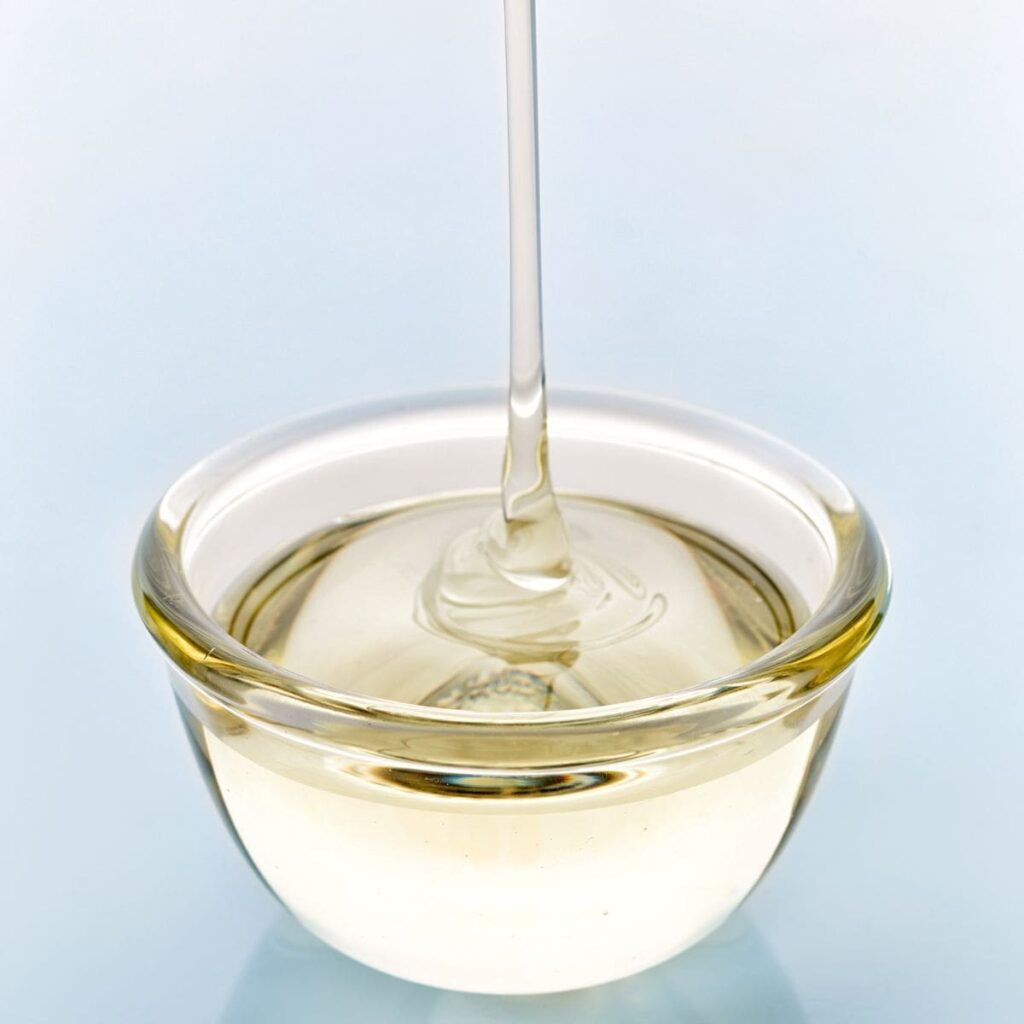
Why invert sugar is used in pastry
Invert sugar is extremely valuable in pastry because it keeps cakes, glazes and creams moist, extending their freshness. It also helps with browning and caramelisation and gives a finer, smoother texture – which is why you will find it in ganaches, ice creams, sponges and fillings.
How to make invert sugar at home
Making invert sugar at home is very easy. All you need is granulated white sugar, water, an acid such as citric acid and – this part is essential – a kitchen thermometer to measure the temperature of the syrup as it cooks.

Homemade Invert Sugar Syrup
Ingredients
- 250 g granulated white sugar
- 120 g water
- 0.3 g citric acid
Instructions
- Combine all the ingredients in a saucepan.
- Cook over the heat until the syrup reaches 114°C (237°F). Do not stir while it cooks.
- Check the temperature with a probe thermometer – accuracy matters here.
- Leave to cool, then transfer to a clean jar.
Equipment
- Saucepan
- Probe thermometer
- Clean glass jar
Notes
Want to understand sugars and other ingredients in depth? Explore our Pastry Science articles and online pastry classes. If you live in Romania, our 12-week accredited Cofetar qualification course in Bucharest (taught in Romanian) covers the different types of sugar used in pastry, along with many other professional techniques.
Want to bake like a pro? Learn professional layered cakes step by step with our online courses and ebooks – from Red Velvet to Caramel Carrot Cake. Browse the courses →